
Golf Course
Classic 18-hole championship golf course, designed by Walter J. TravisEst. 1921 — Stafford, New York
Golf Course Highlights
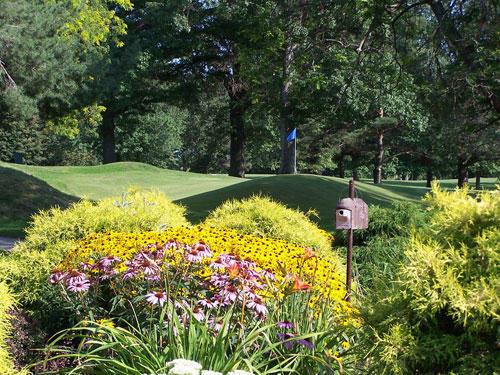
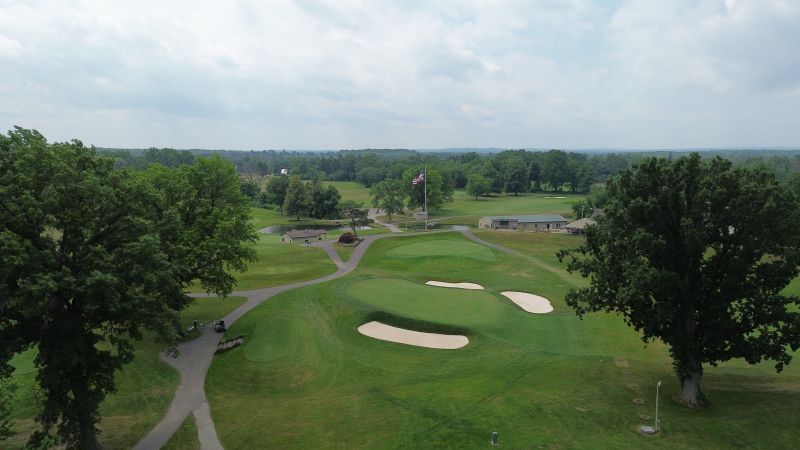
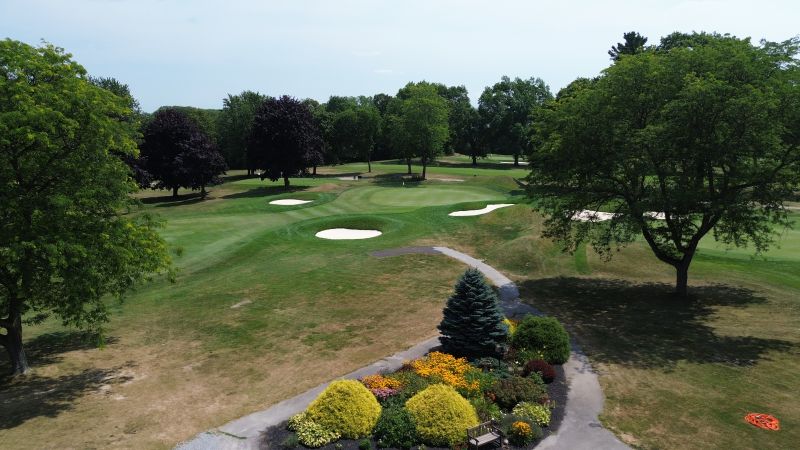
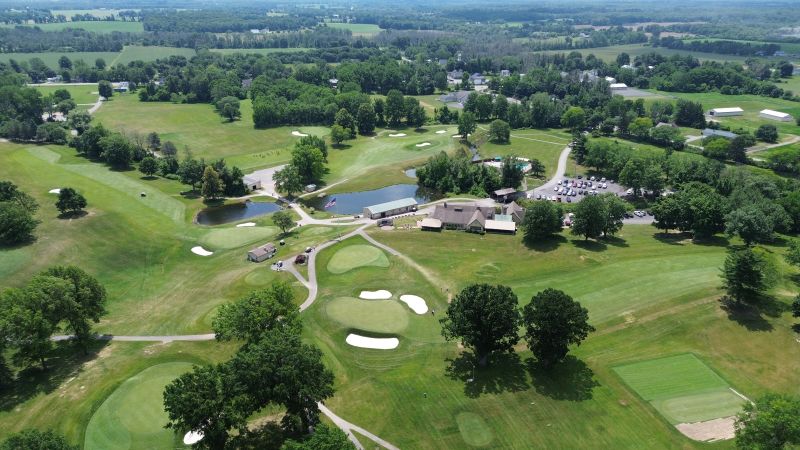
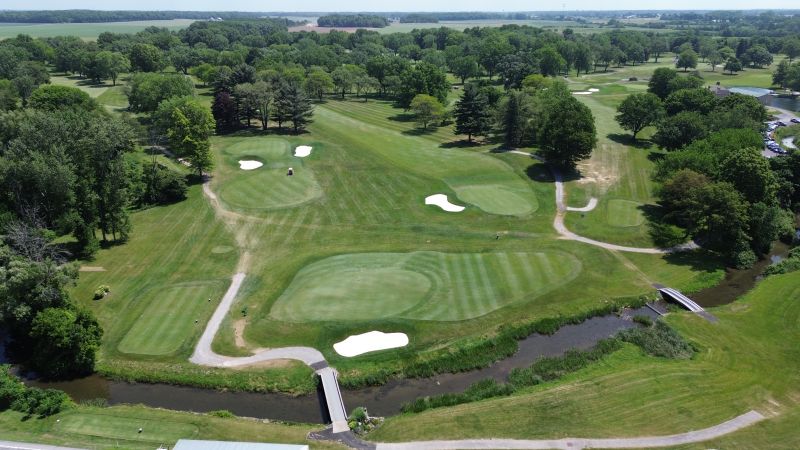
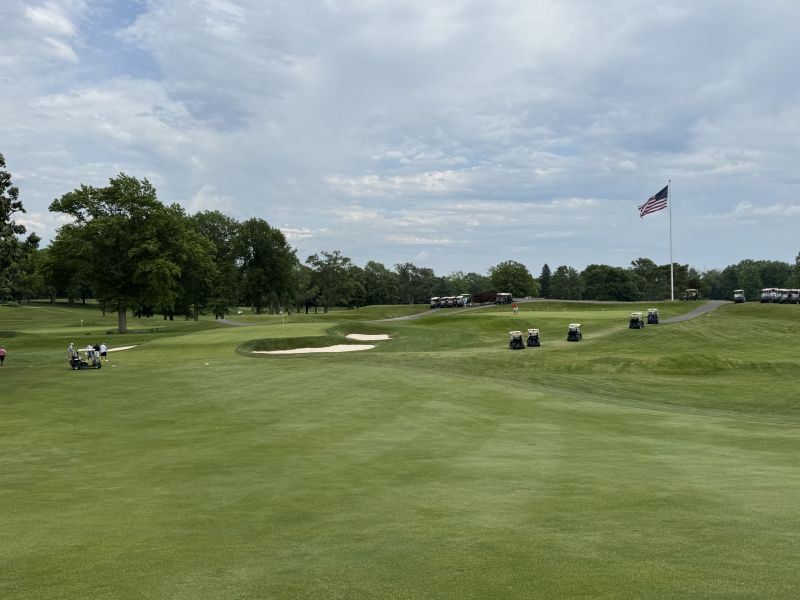
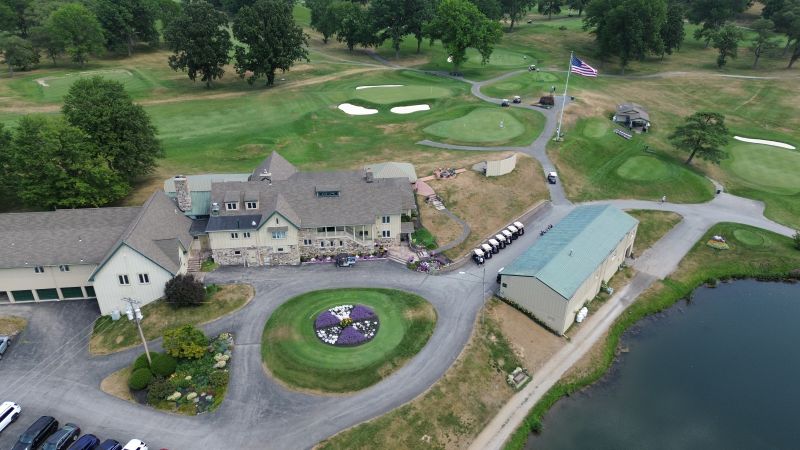
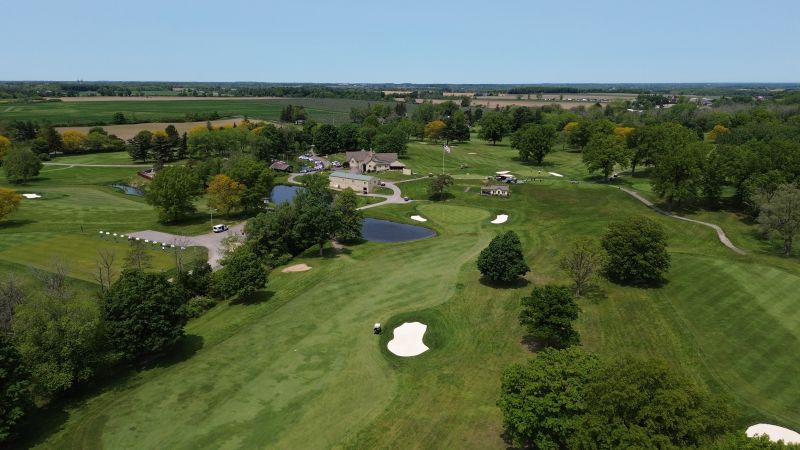
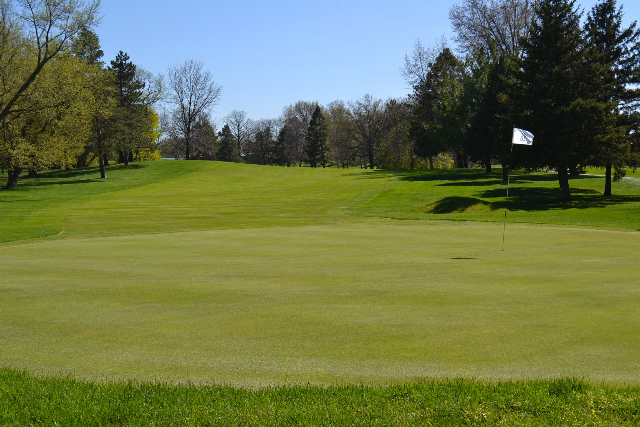
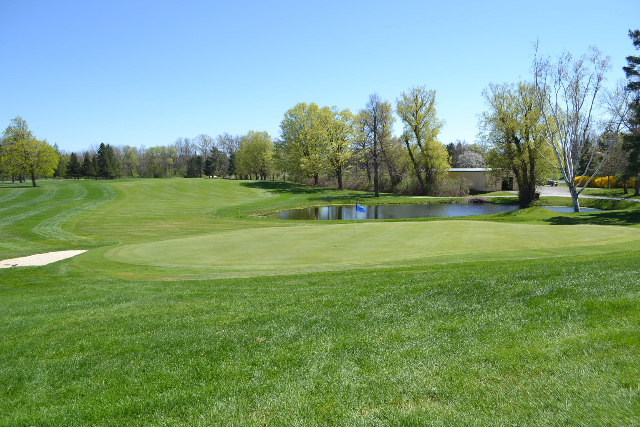
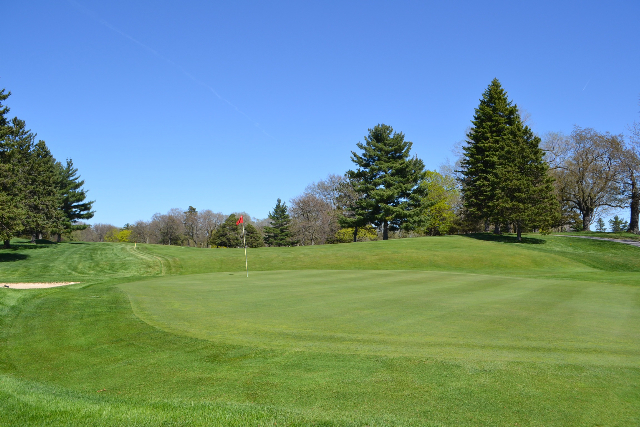
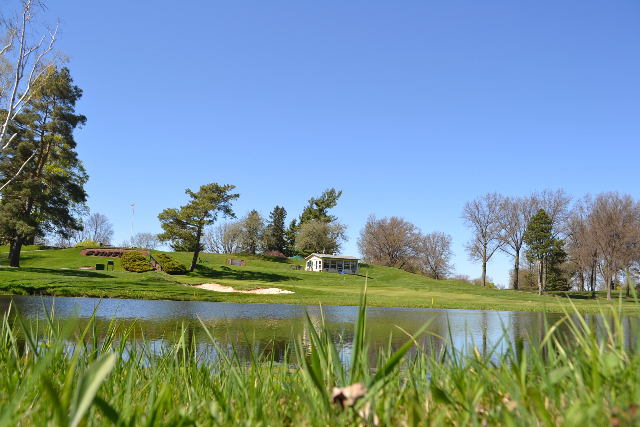
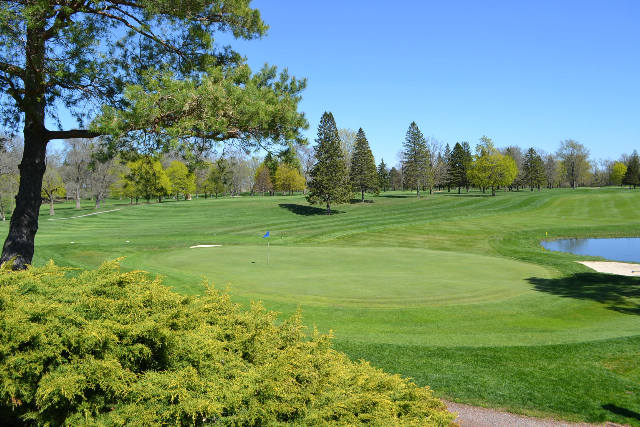
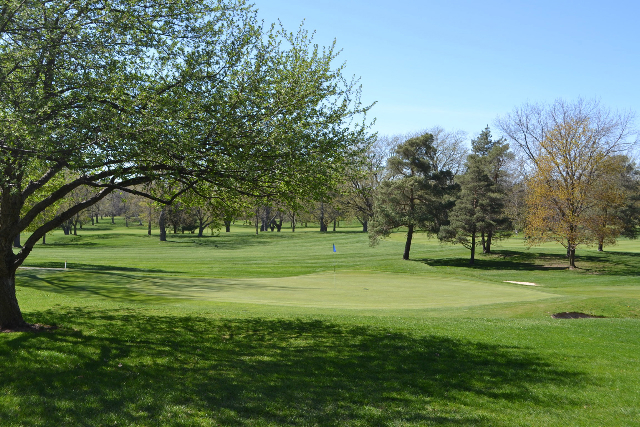
The centerpiece of Stafford Country Club is the classic 18-hole championship golf course, designed by Walter J. Travis in 1921. It is a course that has won the admiration and respect of countless golfers who have competed in the many prestigious state and regional events hosted by Stafford. Over the years, the course has drawn praises from noted golf professionals such as Walter Hagen, Gene Sarazen, Arnold Palmer, Tom Watson, and Julie Inkster.
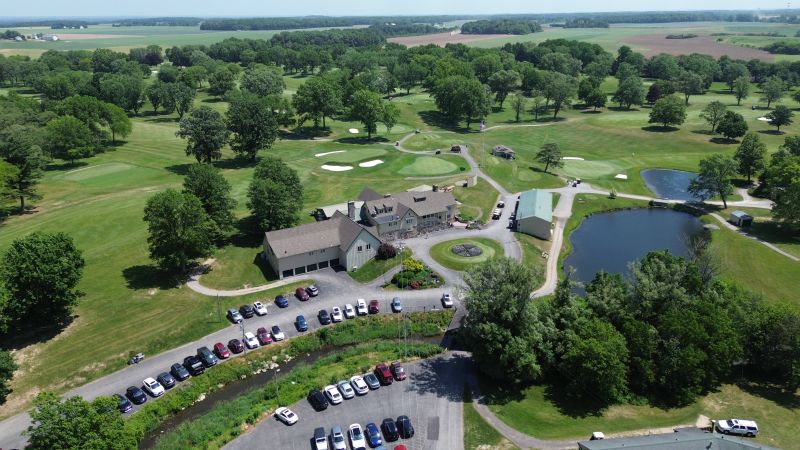
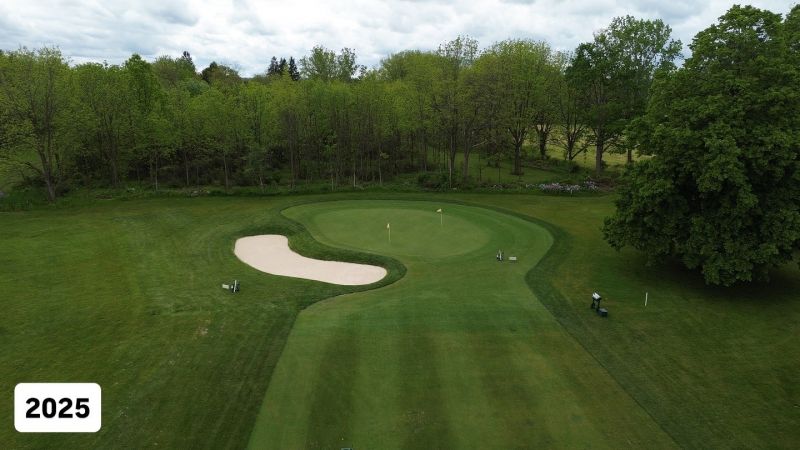
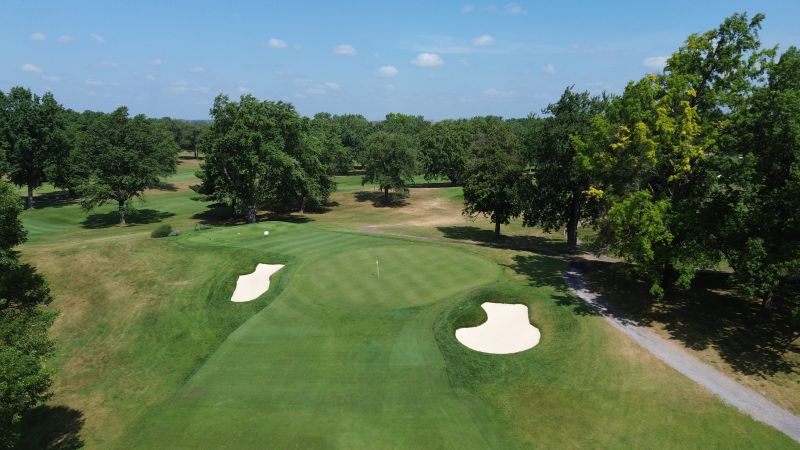
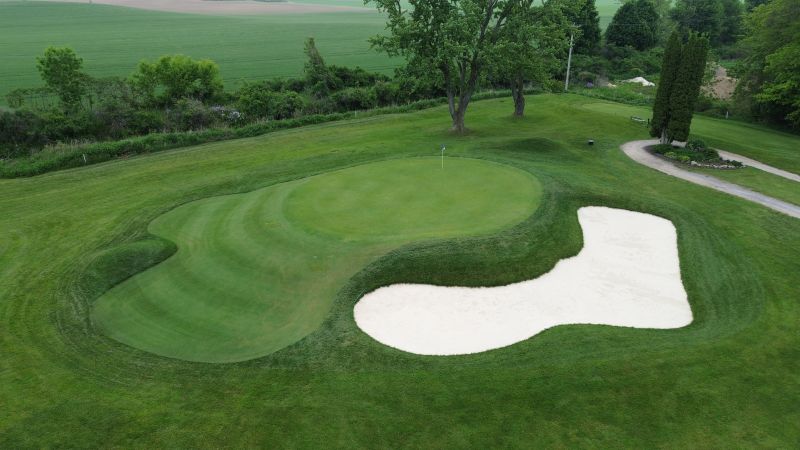
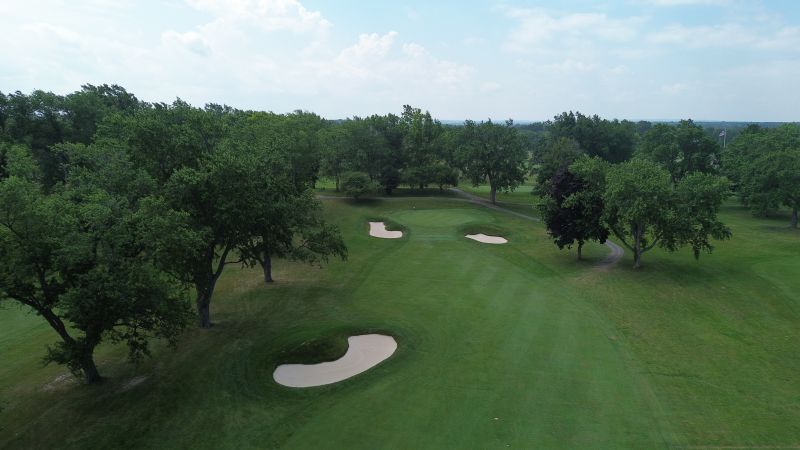
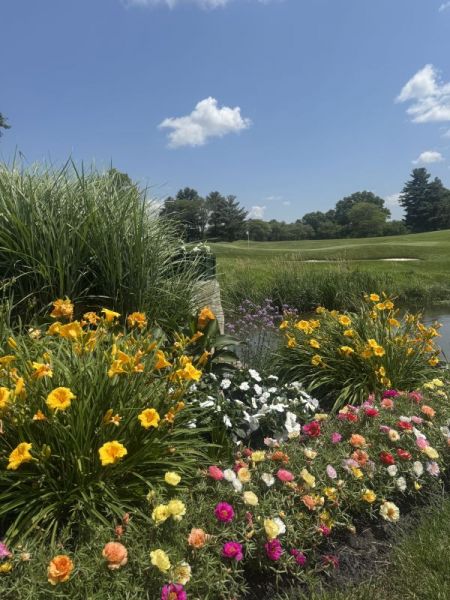
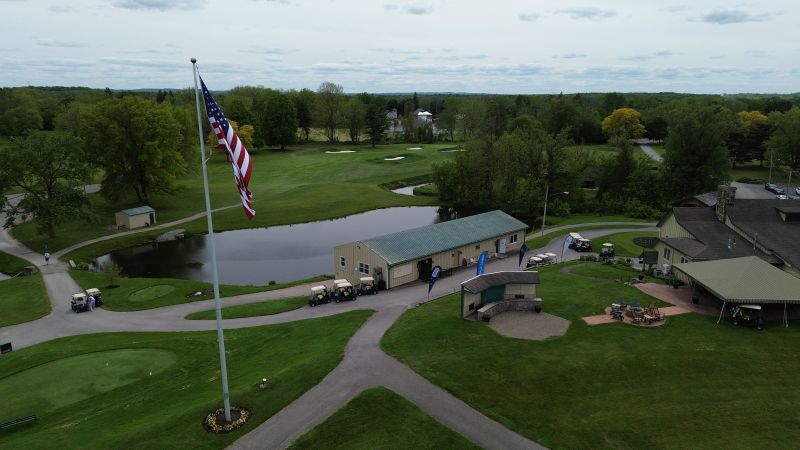
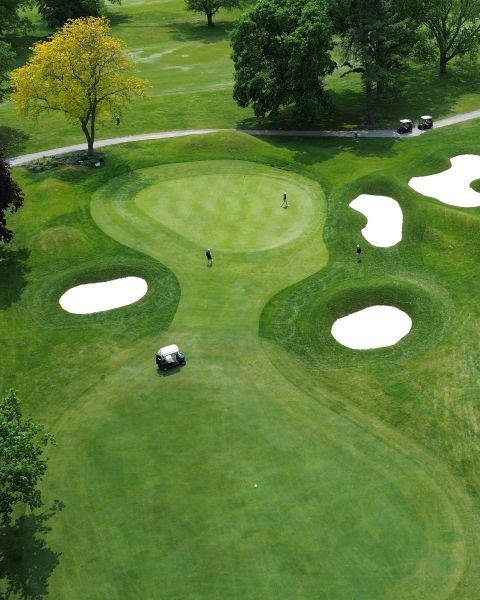
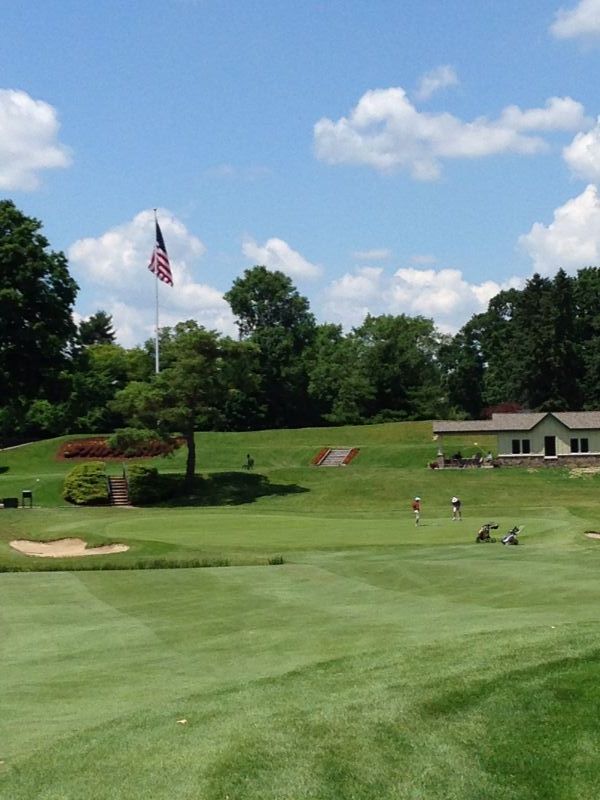
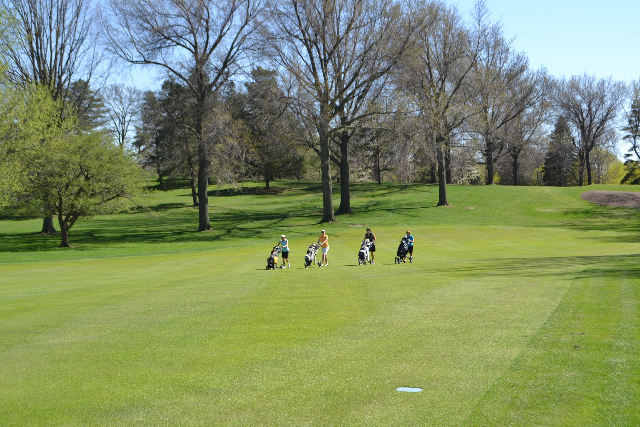
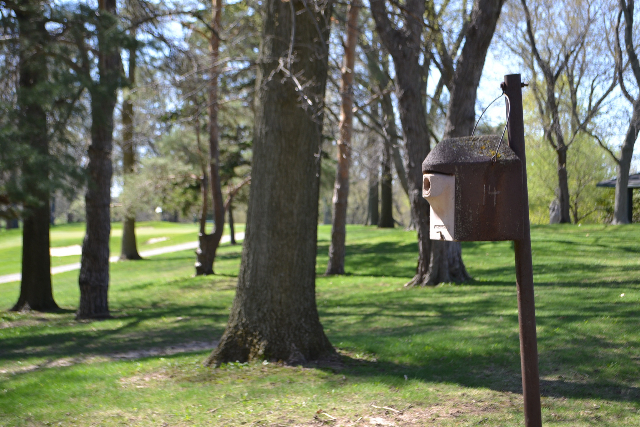
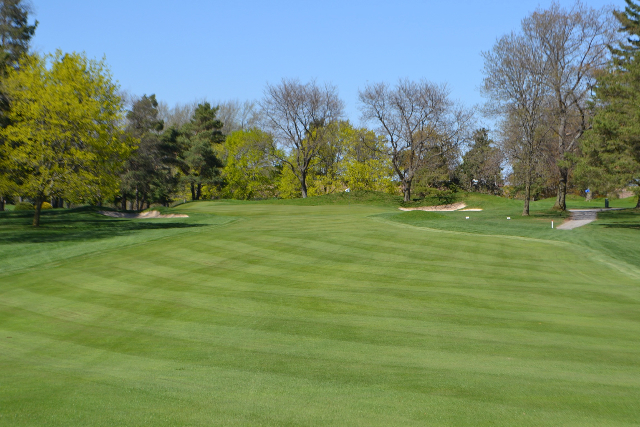
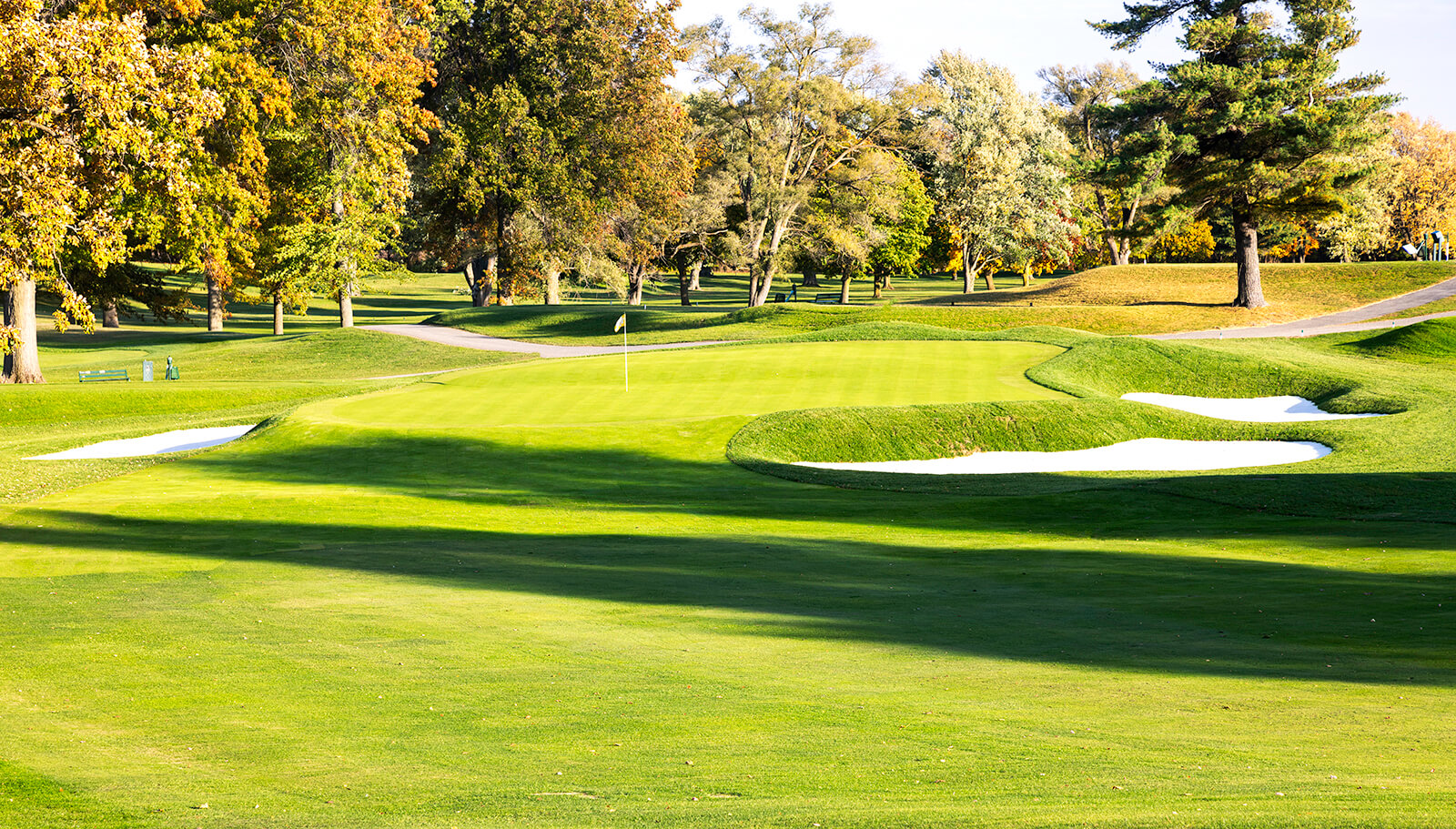
The Stafford Country Club course is known for the natural flow of its golf holes, its beautifully situated green sites, the stately old trees lining its fairways, the strategically placed bunkers, and its superb conditioning. Stafford members treasure the peace and quiet of the club’s rural setting where sounds of nature, and ever-changing farmland vistas are welcomed companions for each round of golf. Within this setting, the striking features and subtle challenges of the old Travis course sustains the interest and enthusiasm of all levels of players, season after season.


Hole #1
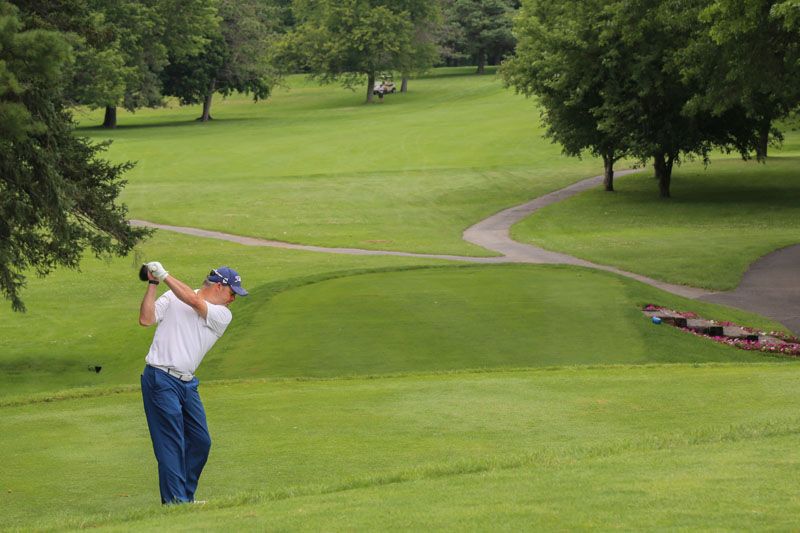
A very challenging start to your round at Stafford. A 389 yard, Par 4, dogleg right calls for a precise tee shot. Big hitters will try to carry the fairway bunker at the dogleg (about a 240 yard carry), but be wary of either hitting it through the fairway and into the rough and trees on the left, or getting hung up in the trees on the right. Shorter hitters may choose to take less than a driver off the tee, but then you'll have a mid-to-long iron into the green. The green is well bunkered, and has a spine that runs through the middle from left to right, so that the back half of the green runs away from you. Par on the 1st hole is an excellent score.
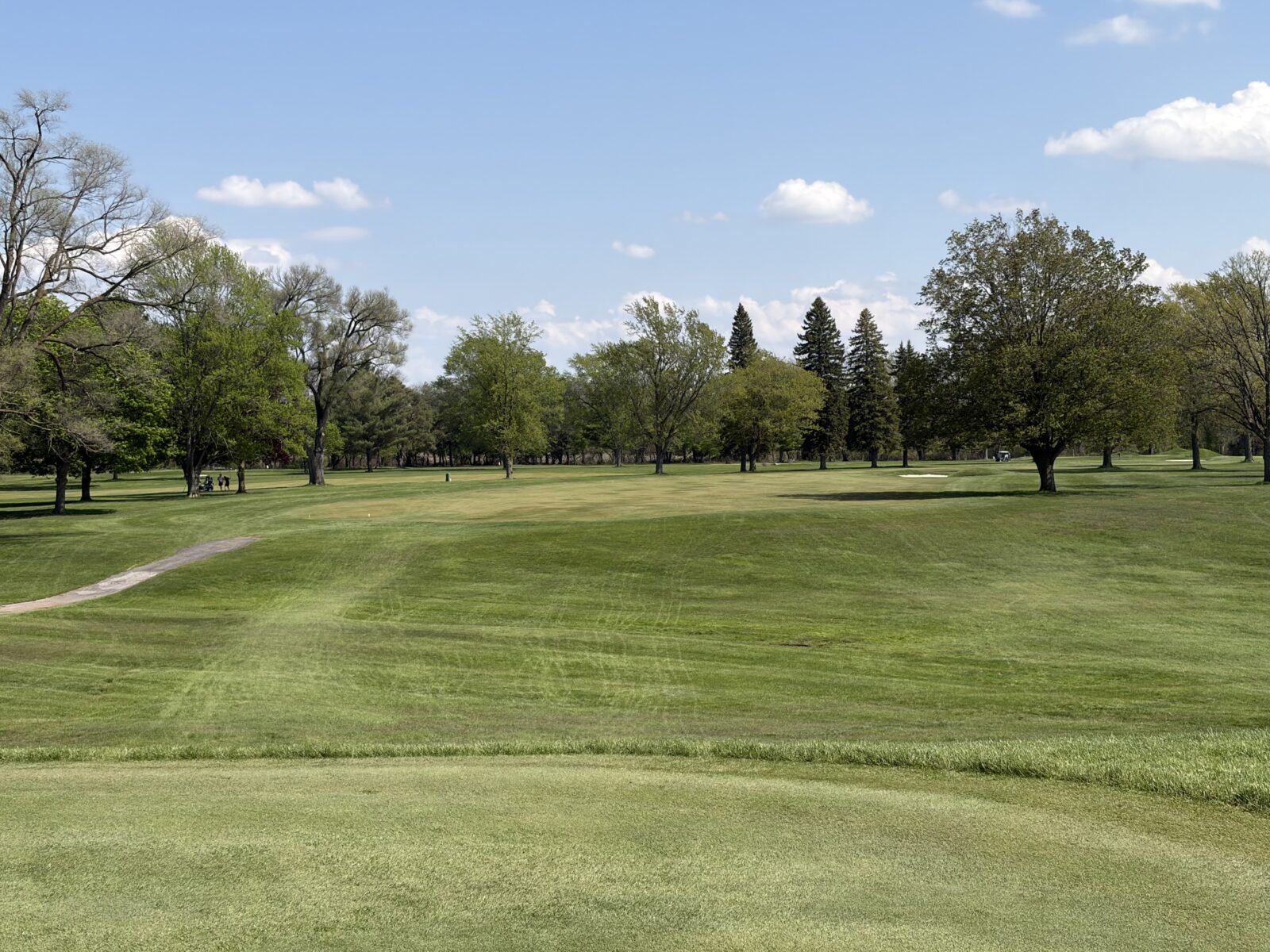
Hole #2
A 416 yard Par 4, dogleg left, with a significant slope to climb to the green. Come up just short on your approach shot, and your ball will almost certainly come back down the hill, leaving you with a 30–60 yard recovery shot to the green. The green slopes from back to front. Bunkers guard both the left and right front portions of the green. If you're too conservative with your approach shot and hit it long, you're faced with a delicate downhill chip. Try to get too cute with the chip to a front pin, and you may see your ball run through the green and down the hill. This is the #1 Handicap hole on the golf course.
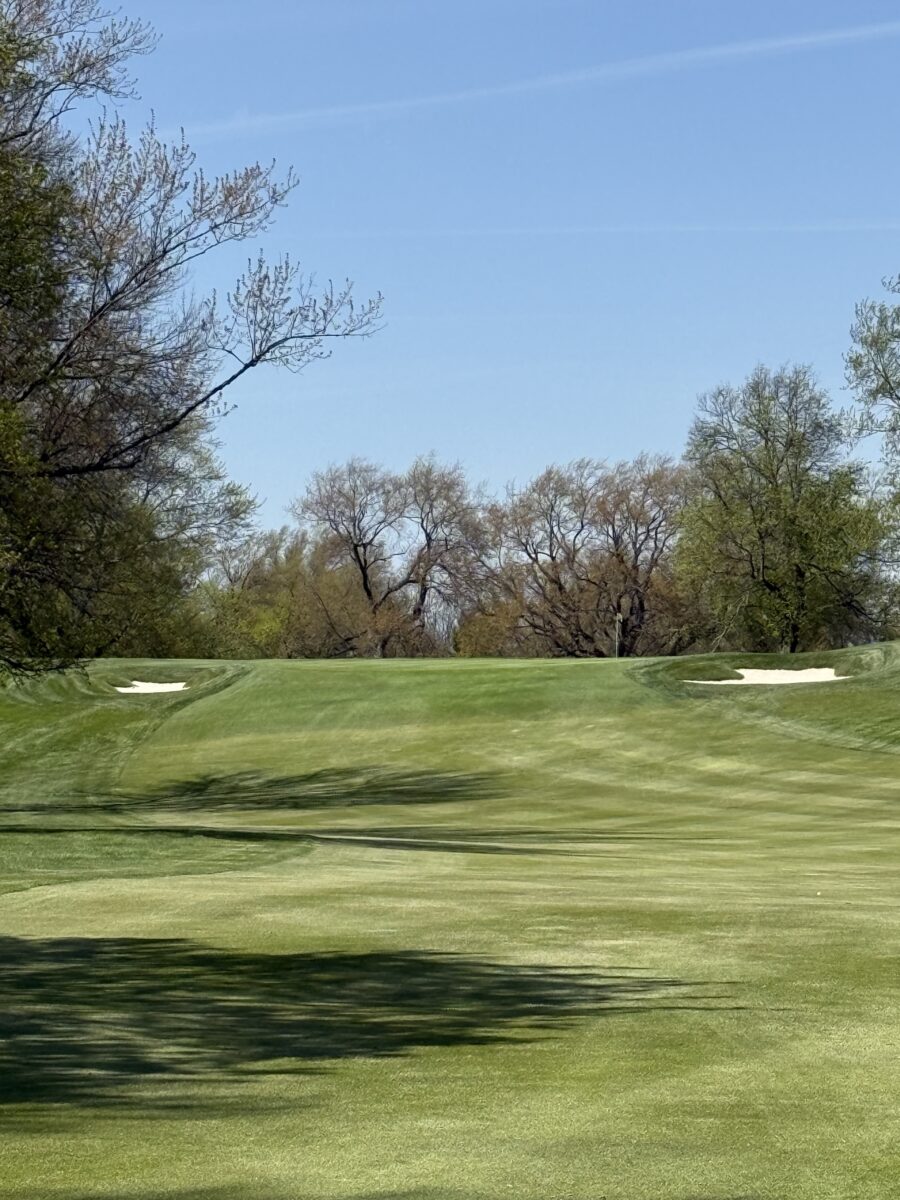
Hole #3
A 398 yard, straight away Par 4. The main challenge here is to hit a straight tee shot and have it carry about 230 yards to clear the uphill landing area. Do that, and you'll be left with a short iron to the green. A shorter tee shot will be stopped by the hill and leave a lengthy approach. A fairway bunker and trees will impact tee shots that drift to the right. There is a teardrop mound short and right of the green, and bunkers both left and right.
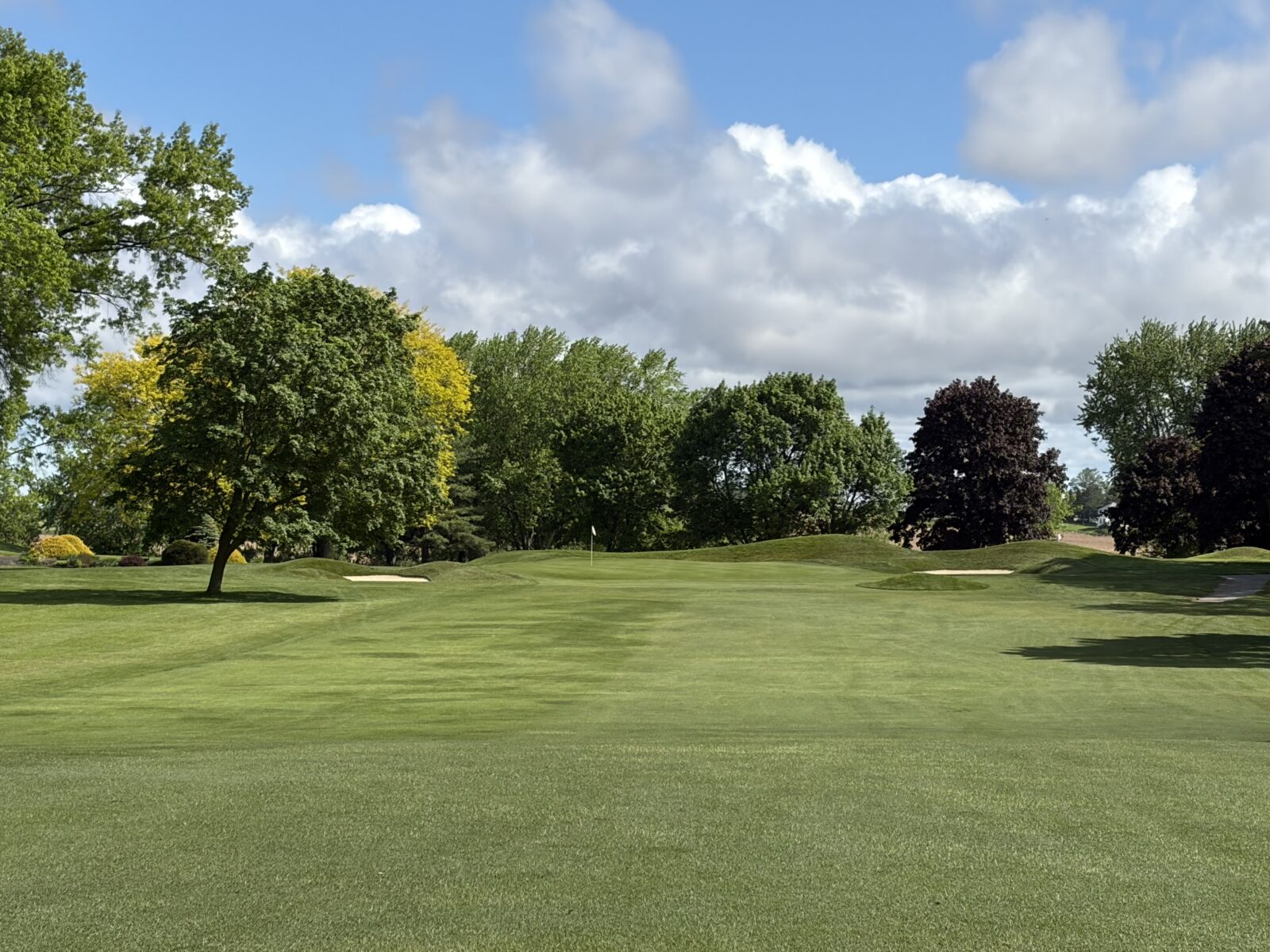
Hole #4
The first Par 3 on the course is a 132 yard shot. Sounds simple, but the green is elevated, has a deep bunker that guards the front, and a run-off area to the left. Rough and OB are behind the green. Miss the green in any direction and you're going to be blasting a sand shot or chipping up to one of the smallest greens on the course. Don't take this hole for granted.
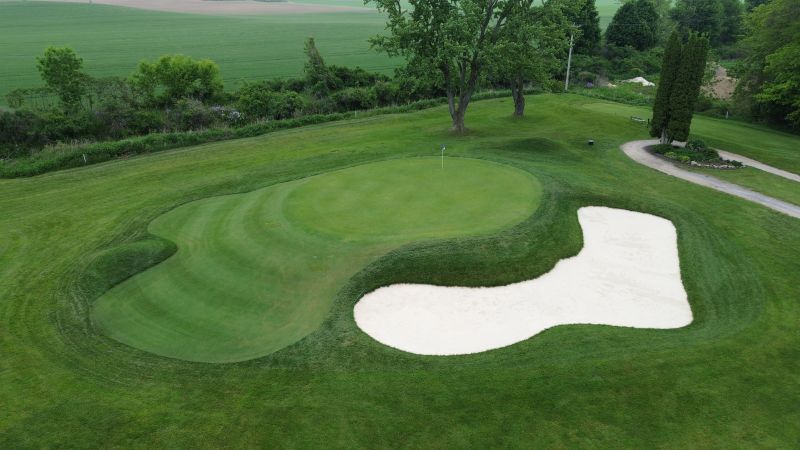
Hole #5
This 542 yard Par 5 has a blind tee shot. Trees line the entire left side of the fairway... so don't go left. Your second shot requires some thinking. There's a long, deep fairway bunker on the left that is 90–110 yards from the green. Should you go for it on your 2nd shot and either reach the green or come up just short, or should you lay up and take that fairway bunker out of play? The green is elevated with a false front, a deep bunker front-right, a runoff area to the back and right, and deep rough to the left. It's tough to find a flat spot on this green.
Hole #6
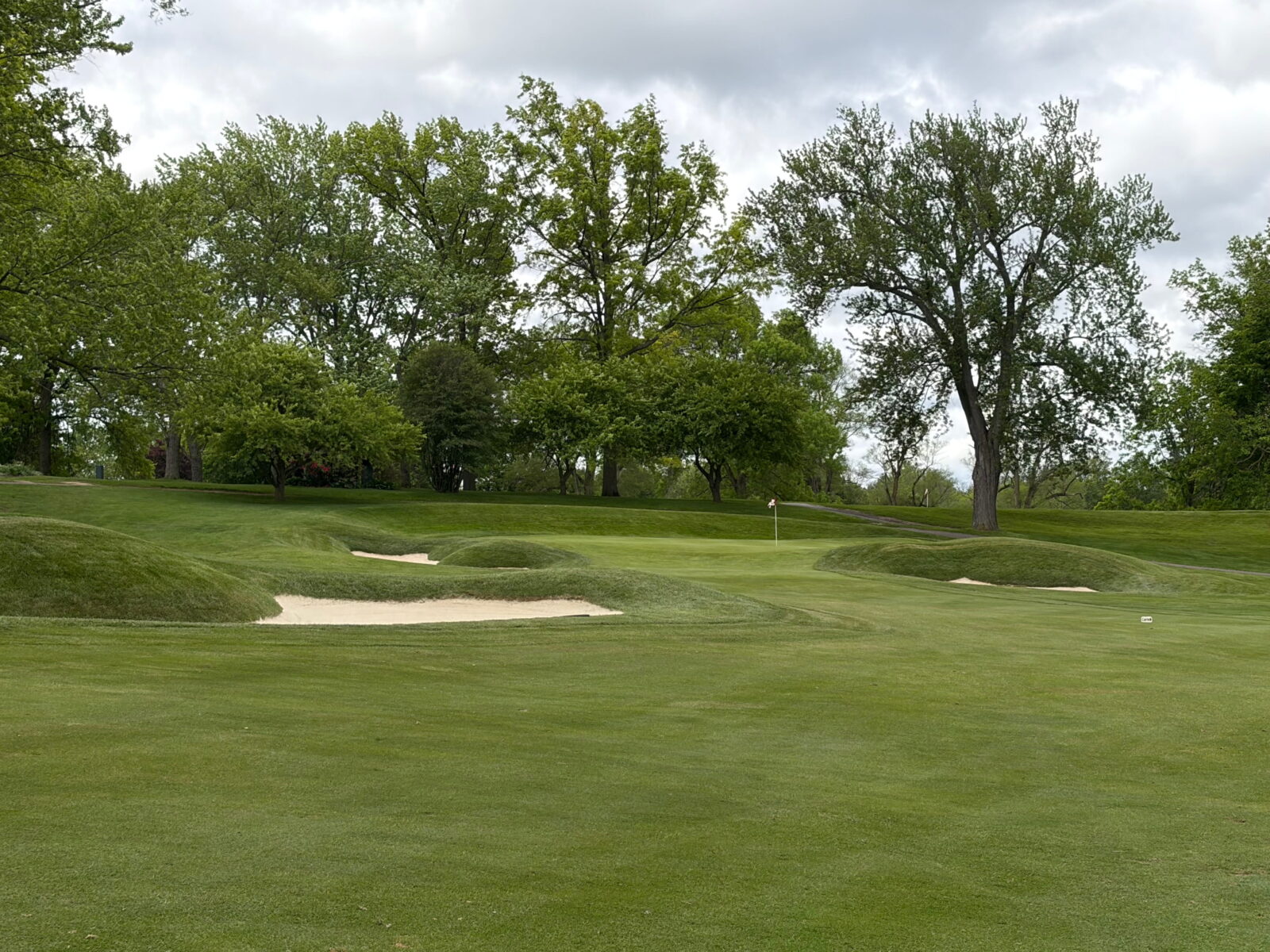
A 378 yard, straight away Par 4. Tee shots just right of center tend to bounce even further right into the rough and trees. There is a slope leading up to the green, and the green is tilted back to front, and right to left. Bunkers guard the right and left, and there is OB just past the green. The relatively small and sloping green provides the biggest challenge on this hole.
Hole #7
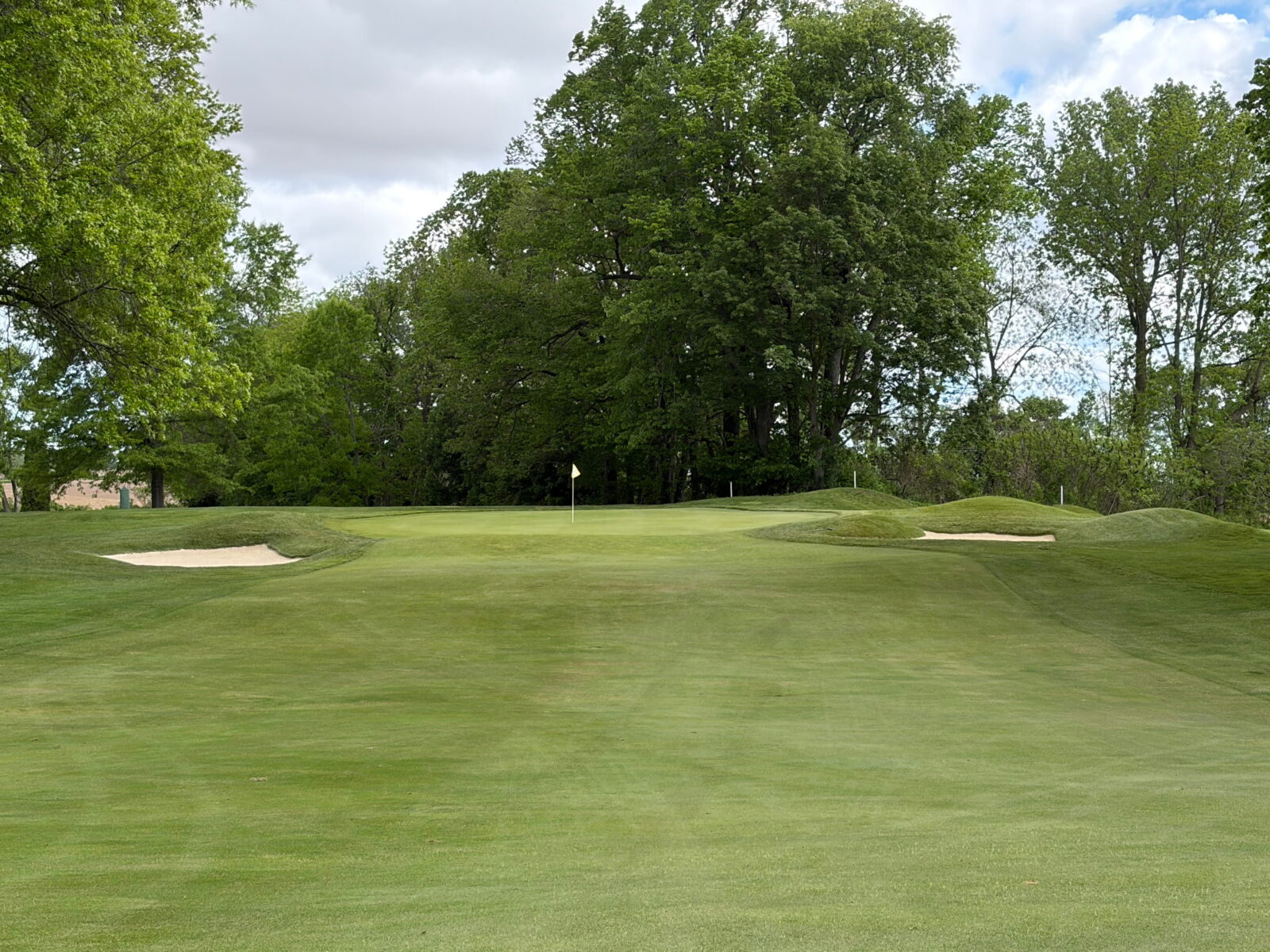
This is a 515 yard Par 5. Don't let the short distance fool you... it's quite challenging. Off the tee, strategically placed, deep fairway bunkers catch your eye on the right, and there is OB all along the left. Hit a good tee shot and you're faced with a blind 2nd shot. The last 80 yards are downhill to a slightly elevated green, with a deep bunker at the front right, and 6–8 feet of fall off to the right and back. Hit a poor tee shot and you have to deal with a significant hill and a fairway bunker at the top of that hill.
Hole #8
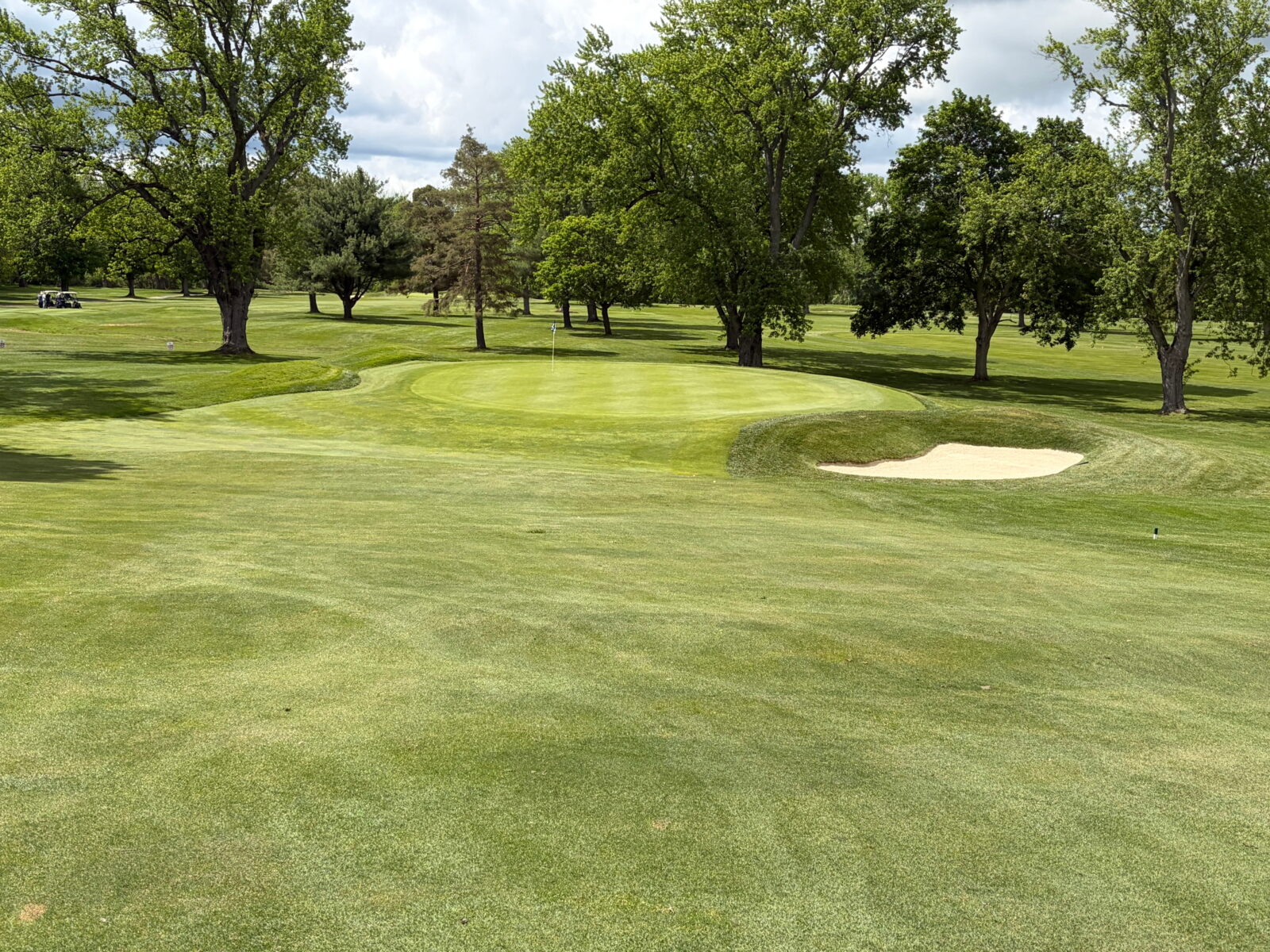
This 196 yard Par 3 can be a beast. Bunkers guard the front-left and most of the right-side of the green. A falloff to a deep rough is on the left, and the back of the green is rimmed with steep mounds that also have deep rough. Hit this green and you have a solid chance at birdie. Miss the green, and you'll have a really tough up-and-down.
Hole #9
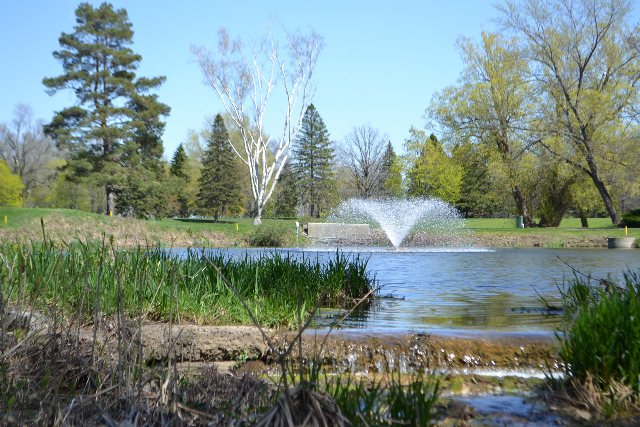
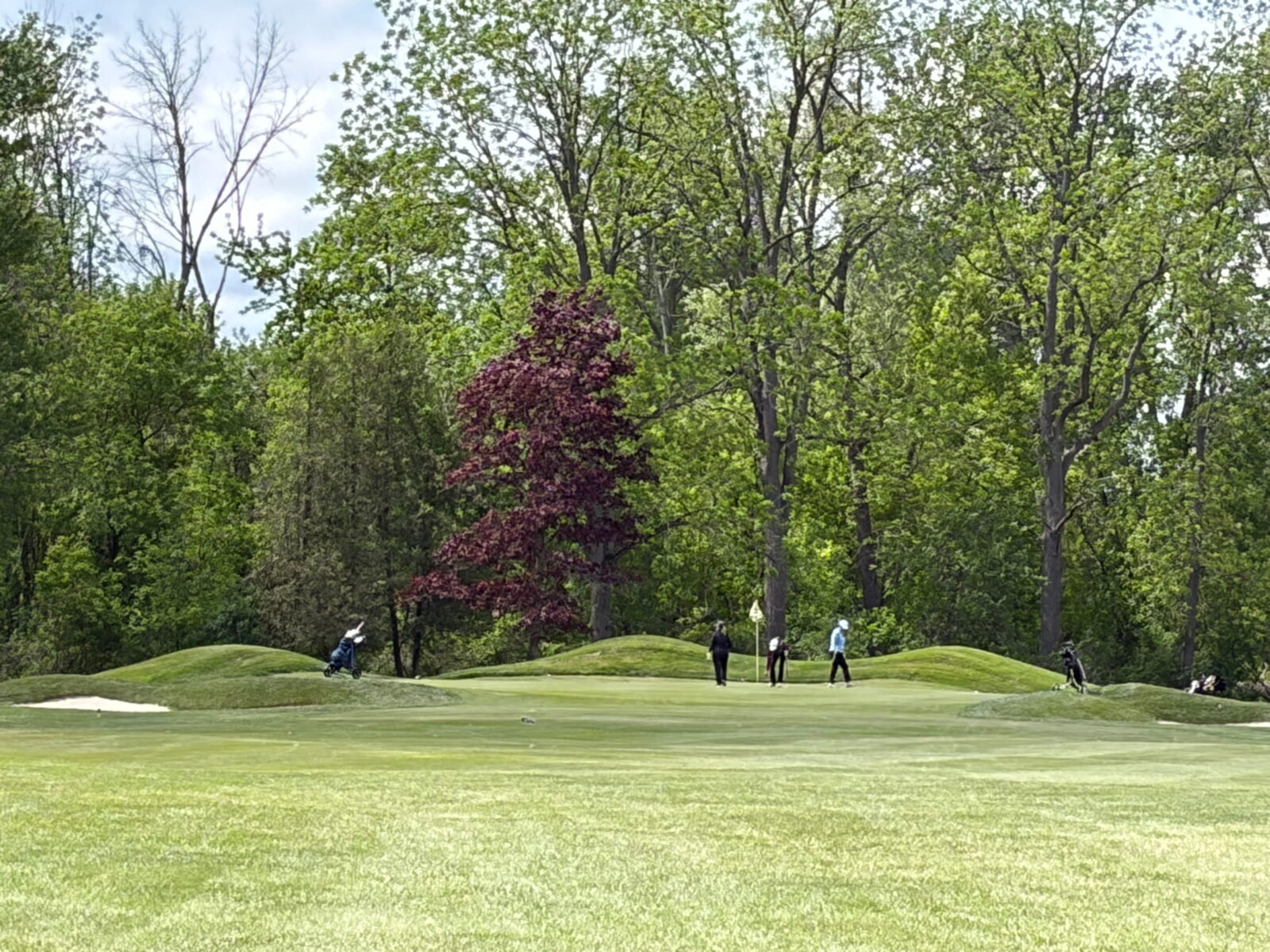
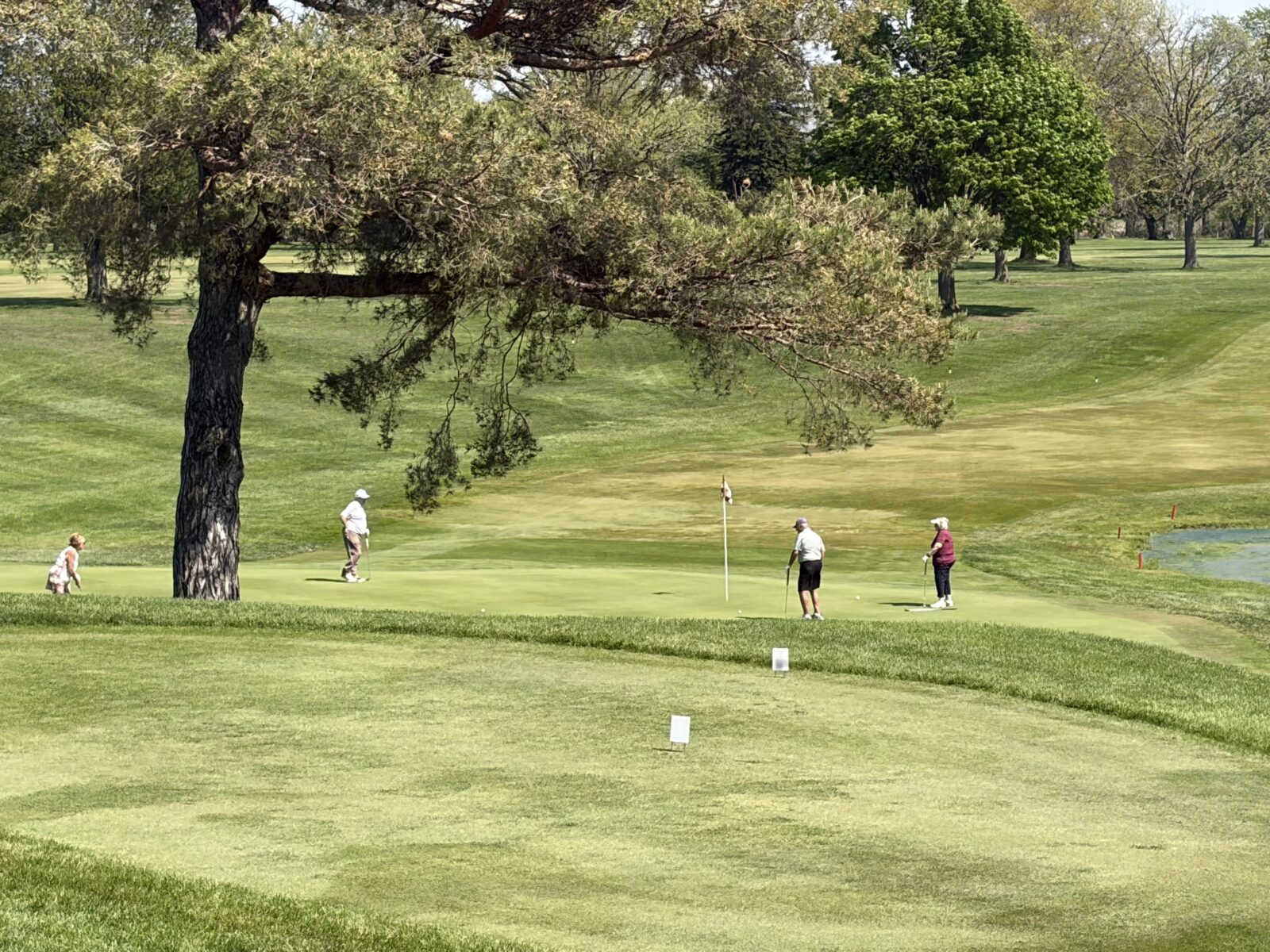
A 365 yard, Par 4. Starting at about 120 yards, the fairway slopes down to a pond that fronts just about the whole left-half of the green. Just short of that slope is a long fairway bunker on the right-side. This green slopes significantly from back to front and has a 2nd tier on the back-left. Bunkers guard the left and right sides of the green. Good tee shots are rewarded with a short iron approach, but putting is a challenge here.
Hole #10
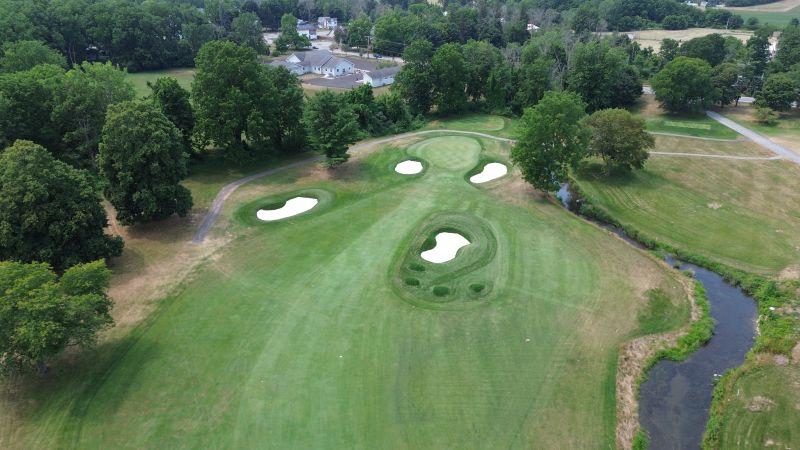
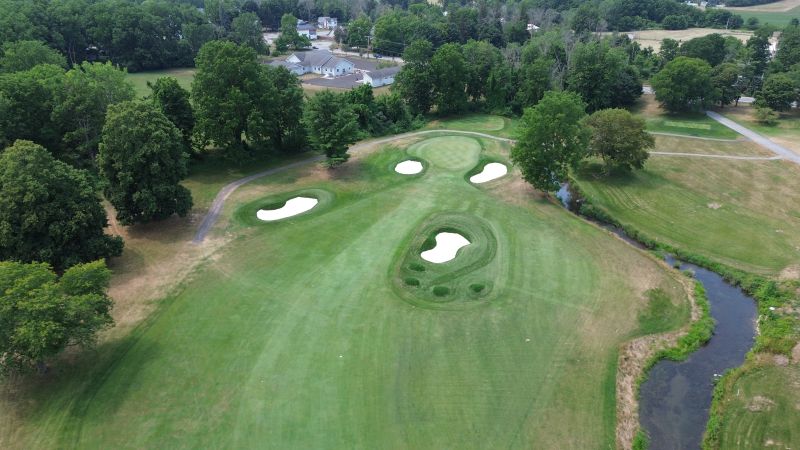
This 312 yard Par 4 is a true risk/reward kind of hole. A deep bunker and significant mounding sit in the middle of the fairway 210–230 off the tee. So should you layup to about a 100 yard approach to the green, or go for it? The green has a run-up area, but it is elevated. Similar to Hole 1, this green also has a spine that runs left to right so that the back half of the green runs away from you. Bunkers are short-left and right, and runoff areas are left and behind the green. Black Creek runs along the right side. It'll grab tee shots that are a bit too far right, and it comes within 10 yards of the right edge of the green. Decisions, decisions.
Hole #11
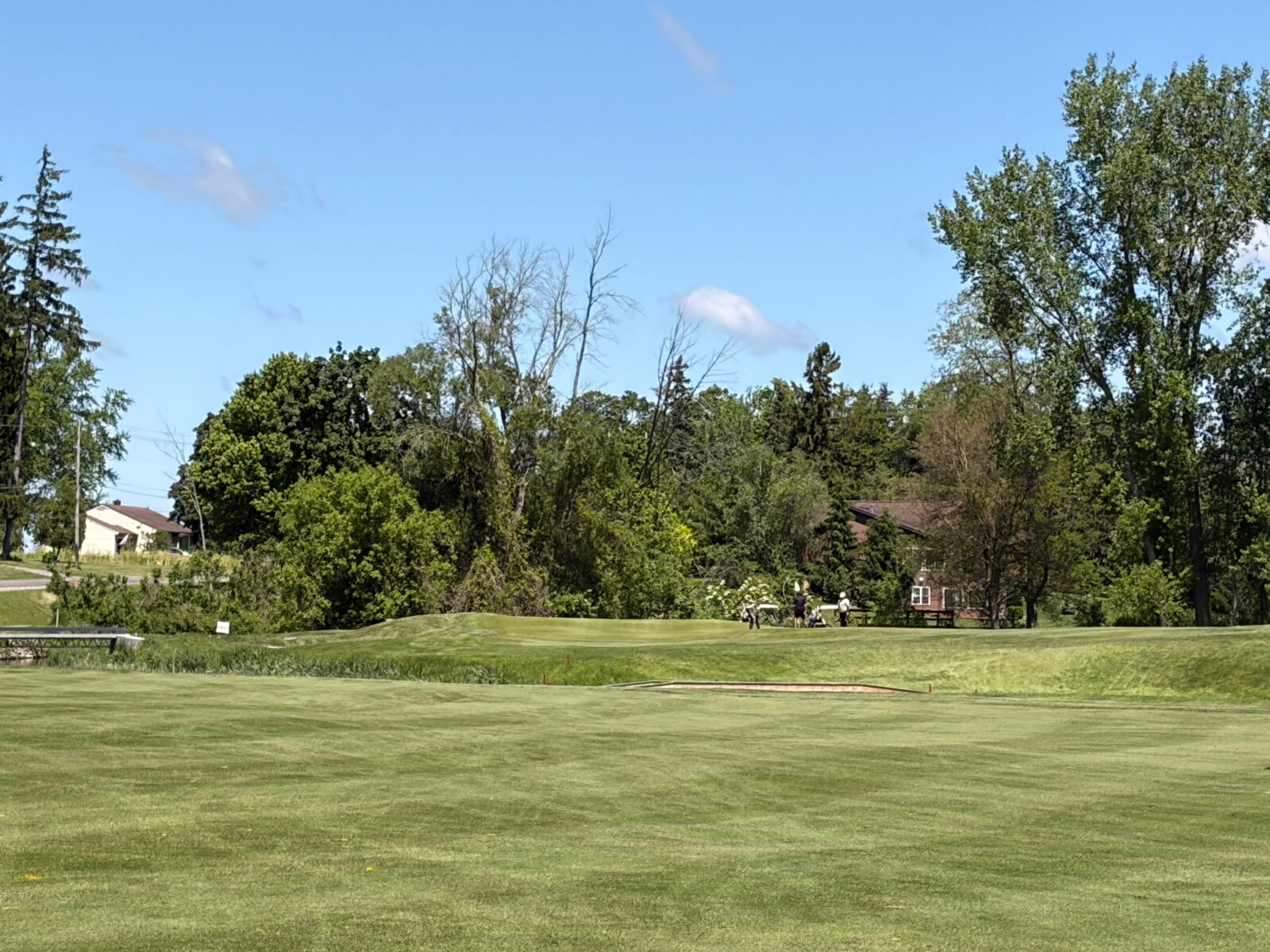
A 429 yard, Par 4, monster of a hole. There's OB both left and right, and Black Creek runs diagonally across the fairway starting at about 150 yards from the green, and makes its way to the left side of the green. There are no fairway bunkers, and just a tiny bunker to the left of the green, but there are plenty of ways to get into trouble on this hole. The green has 3 tiers, and has runoff areas to the right and behind it. A big drive in the fairway is a must... then hit the green and hope for a 2-putt.
Hole #12
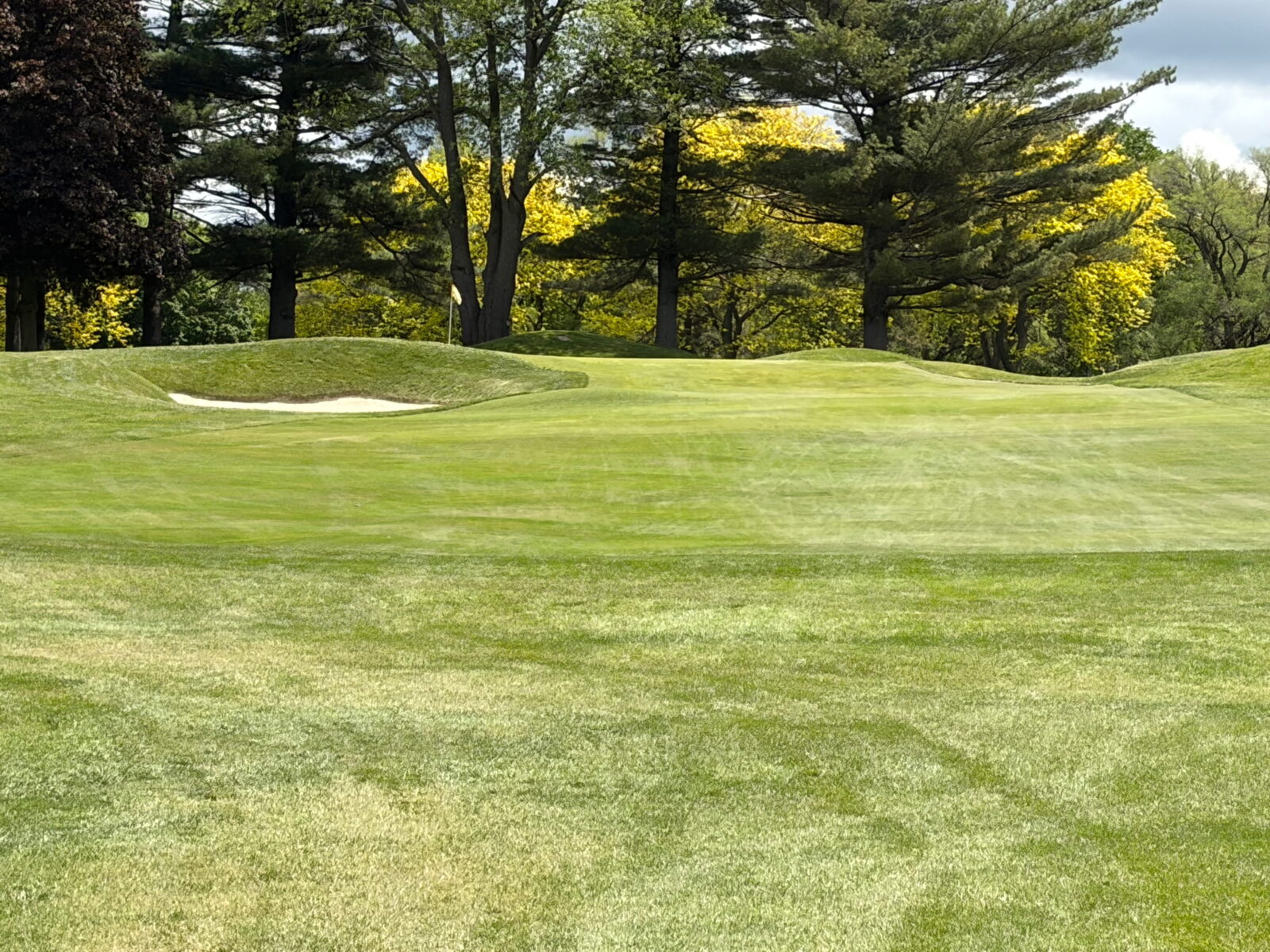
This Par 3 is only 168 yards, but it's uphill with a very deep front bunker that covers 2/3 of the green, and there's another bunker all along the right side of the green. This green also has 3 tiers. The best chance for birdie is if the pin is in the middle (in the valley between the front tier and the back tier). Otherwise, be happy with your par and move along to the next hole.
Hole #13
A 532 yard Par 5, with a sharp dogleg to the left. There is OB the entire length of the hole on the left, and also behind the green. The OB mostly comes into play on the tee shot. Your tee ball needs to hit the right half of the fairway because, until you get past the dogleg, balls that land in the fairway tend to bounce left. Big hitters can get the tee shot through the fairway at the dogleg, which brings trees into play for the 2nd shot. Whether going for the green in 2, or hitting a short iron in for your 3rd, be aware that the last 30–40 yards of fairway are downhill to the green (remember that there's OB behind the green)... and this green runs away from you from front to back. Bunkers are on the left and right sides of the green.
Hole #14
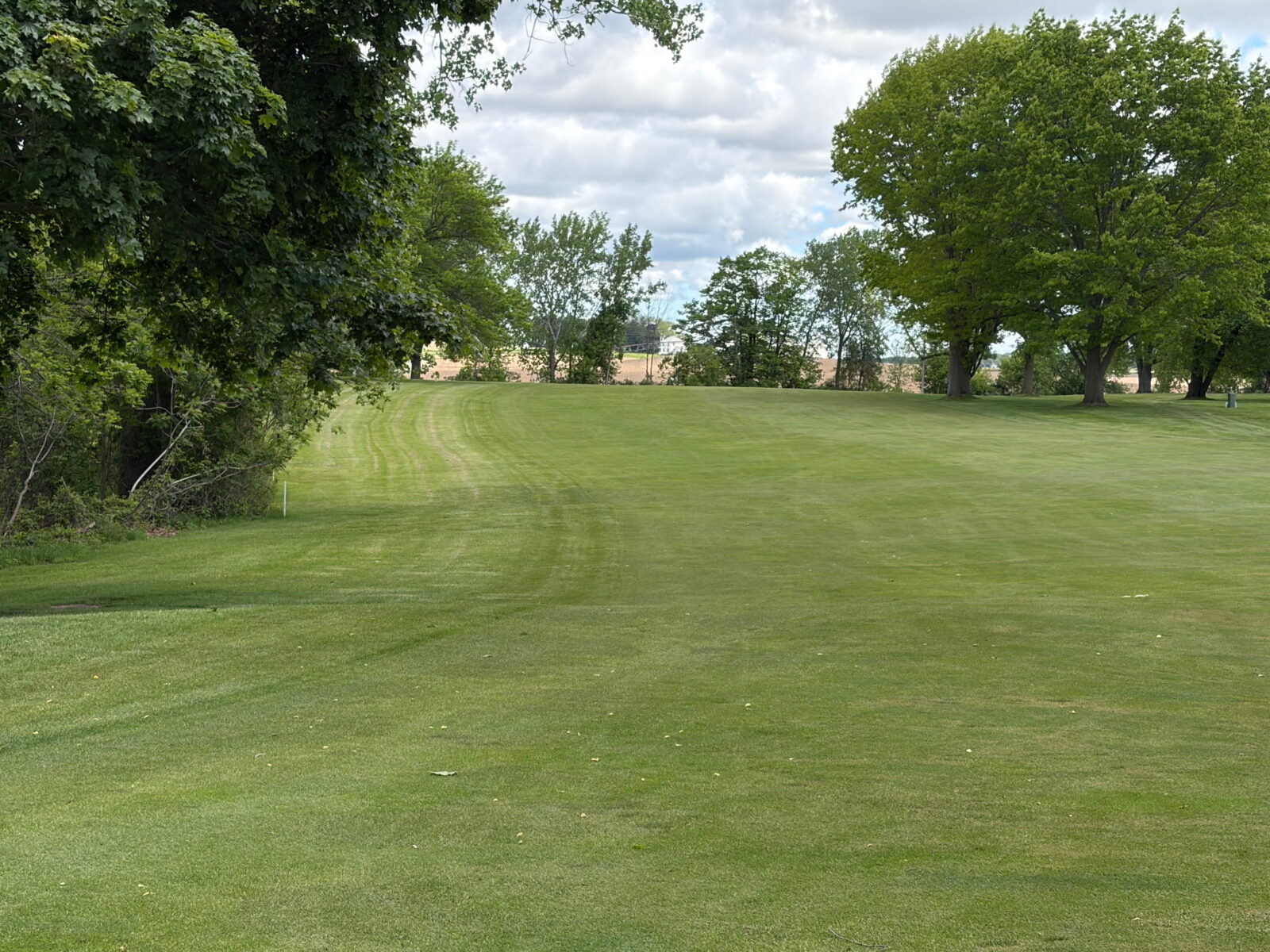
This 192 yard Par 3 plays slightly uphill. There is a runup to the green, but deep bunkers grab shots to the right and left that come up short. Another bunker is to the mid-right of the green. The green has 2 tiers, with the spine running front to back, pretty much down the middle of the green. Large mounds behind the green can be friend or foe. A tee shot that is just slightly too long will roll up the closely mown portions of the bottom of the mounds and back onto the green. A little too much oomph on the tee shot, and the ball could find its way to the long rough on the upper portions of the mounds, leaving you a chip shot with a severe downhill stance in long rough. Par is a nice score on this hole.
Hole #15
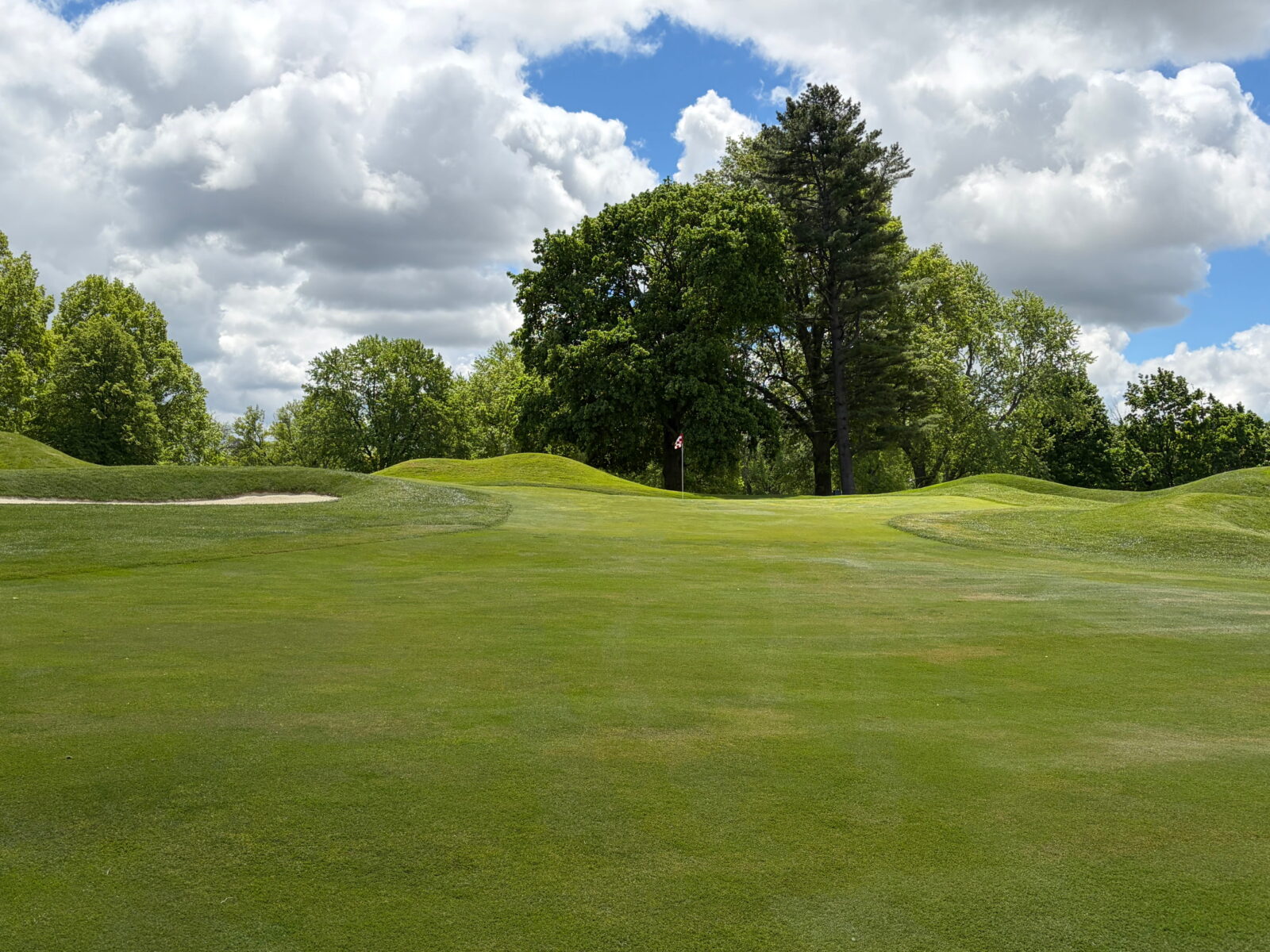
This is statistically the easiest hole on the course. It's a 490 yard Par 5. Cleverly placed bunkers on each side of the fairway will catch drives that aren't striped down the middle. There is another long and deep fairway bunker on the left side that is 90–110 yards short of the green. A greenside bunker protects the front-right. The green is 2-tiered, but the higher tier only exists on the very right-hand side of the green. Run off areas to the left and behind the green offer options (chip or putt) for shots that miss the green. As long as you avoid the fairway bunkers, birdie is a good possibility on this hole.
Hole #16
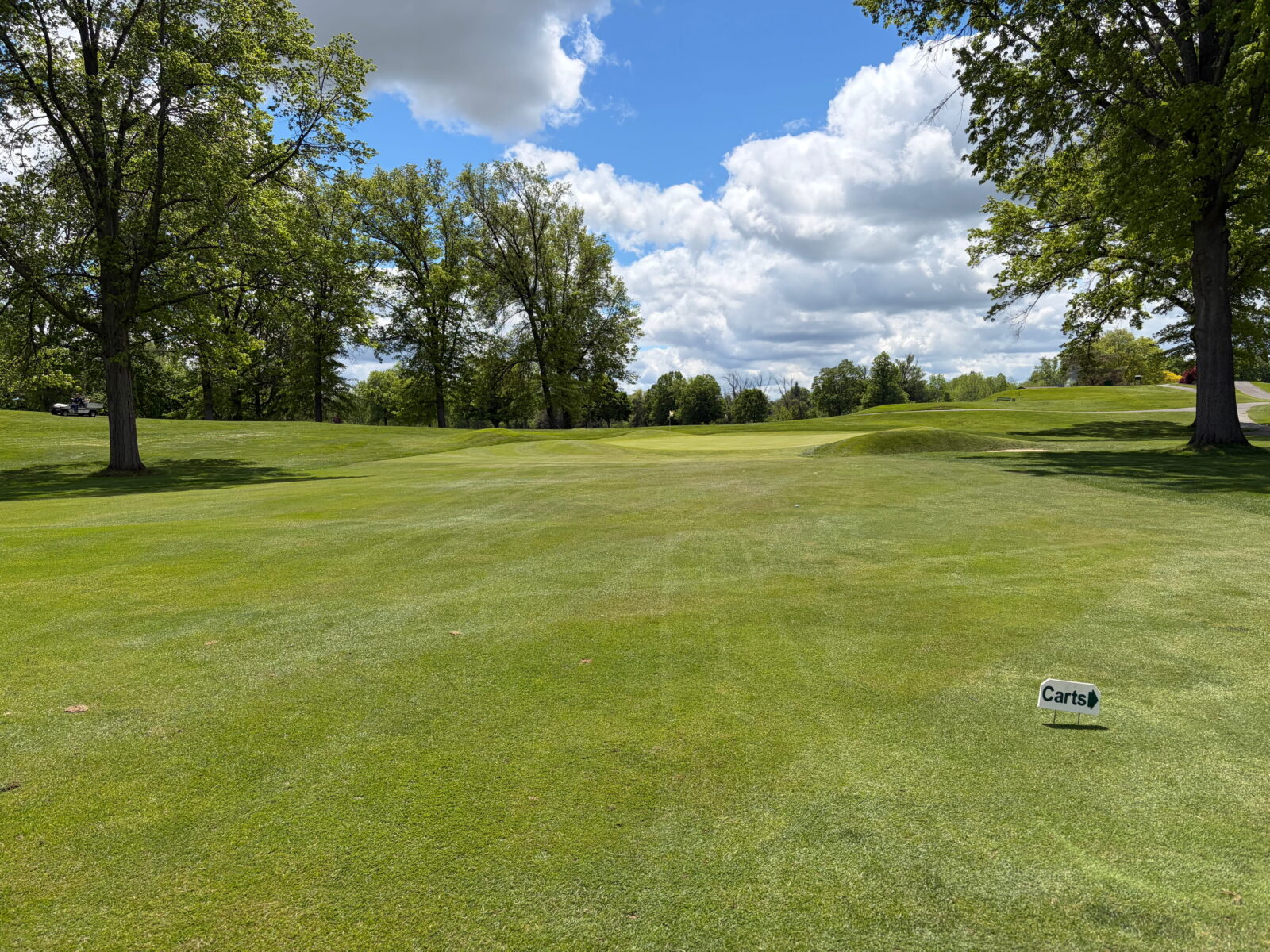
A big 453 yard Par 4. Try to get your tee shot onto the left portion of the fairway. Even the big hitters usually have a mid-iron into this green, and there is a large tree at the top of the hill that's on the right side of the fairway at about 150 from the green. So if you hit your drive to the right half of the fairway, you're probably going to need to bend your approach left-to-right, or hit a low stinger shot under that big tree. Also adding to the difficulty of this hole... unless you absolutely bomb one off the tee, your approach shot is going to be blind. There are no fairway or greenside bunkers on this hole, but there is mounding short left, and to the right and behind the green.
Hole #17
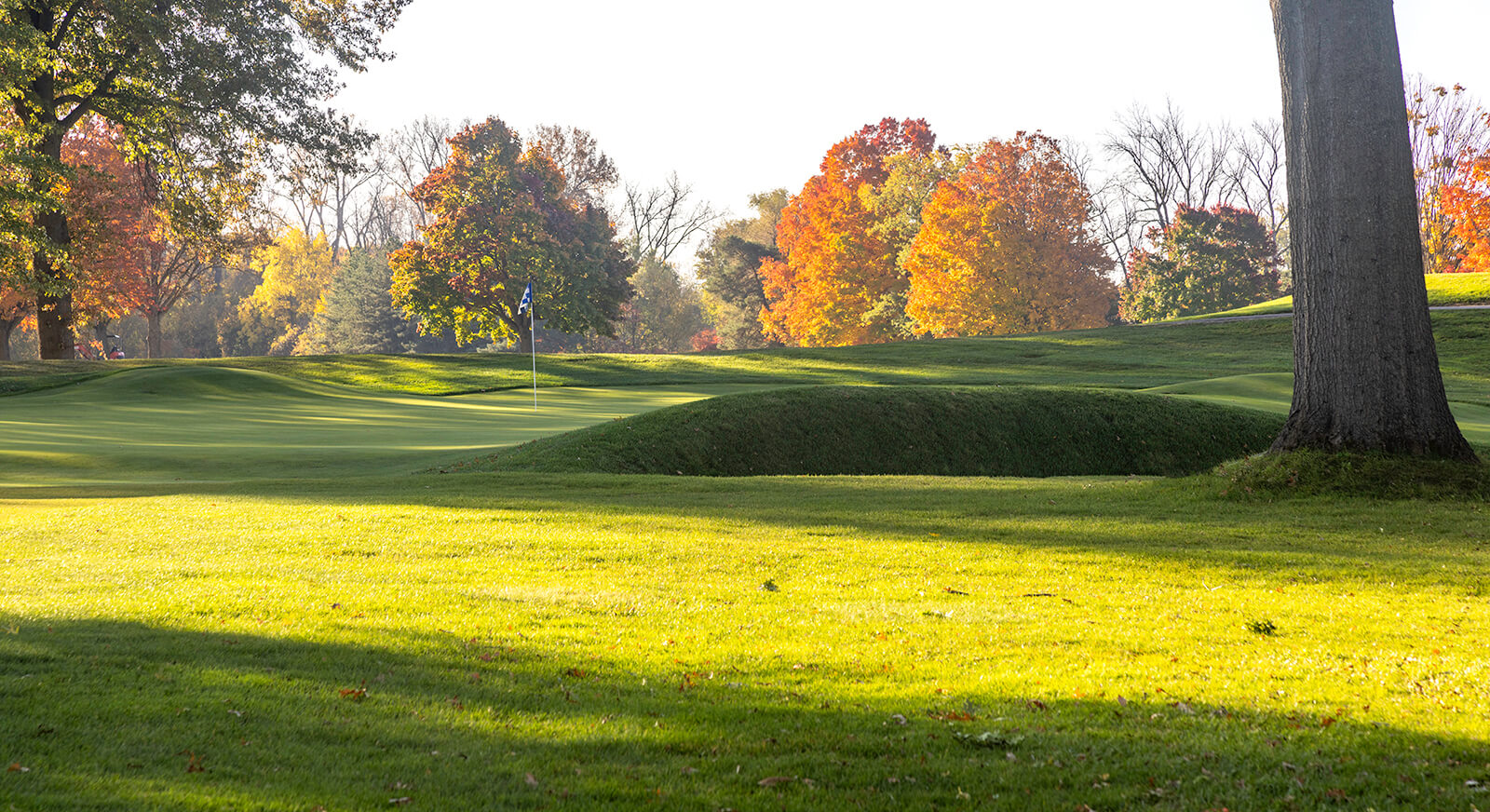
This 396 yard Par 4 usually plays dead into the wind. The tee shot is blind. Tee shots that carry more than 200 yards should be played down the right side of the fairway that you can see from the tee since, once the ball gets over the hill, shots in the fairway tend to bounce and roll to the left. There is a significant dip/valley in the fairway just short of the green. When there is a front pin, many will purposely play their approach shot to land short of the green and run it through that dip/valley, trying to just trickle the ball onto the green. The first 2/3 of the green slopes from front to back. There is a long greenside bunker on the right, and closely mown mounds left of the green.
Hole #18
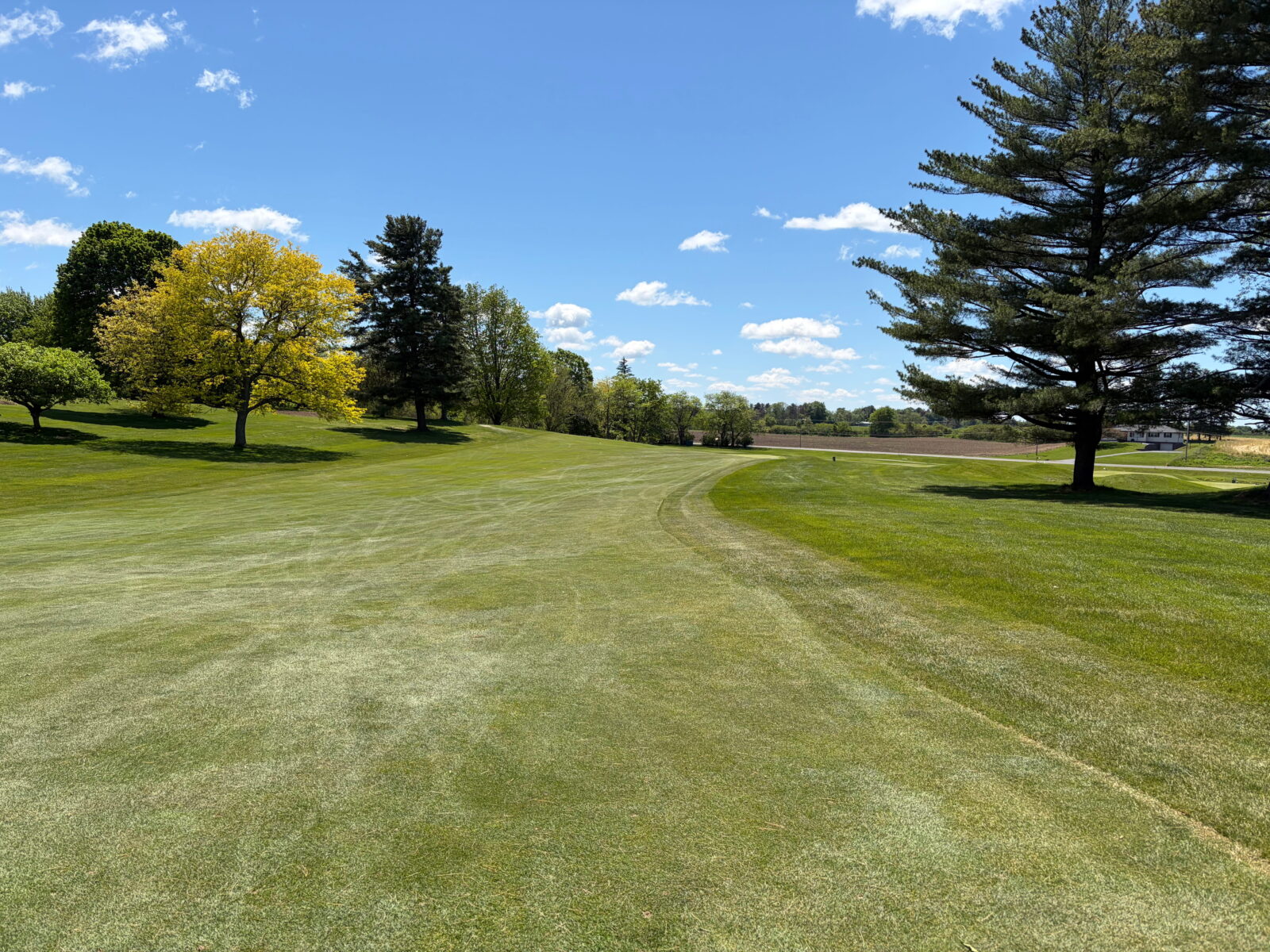
Much like Hole 10, this hole is a drivable Par 4 (288 yards), but it's by no means a piece of cake. The tee shot is blind. The green is elevated and kidney shaped. Three very deep bunkers guard the front right, the right and left sides of the green. The green is 2-tiered and mostly sloped from right to left. Definitely favor the left side of the fairway that you can see from the tee. Approach shots from the right side of the fairway are manageable, but still very difficult because you have to carry the deep bunker on the front-right of the green. If you hit into the right rough, you now have to carry the deep bunker(s) and try to get the ball to hold on a green that is running away from you. It's critical to get the ball on the same tier of the green as the pin, or else a 3-putt is a very good possibility.
Contact Us
Stafford Country Club
8873 Morganville Road
Stafford, NY 14143
Phone: (585) 343-9281
Quick Links
Our History
Golf Outings
Membership
Employment
Contact Us
Clubster Login